
Northumbria Castles and Coastline
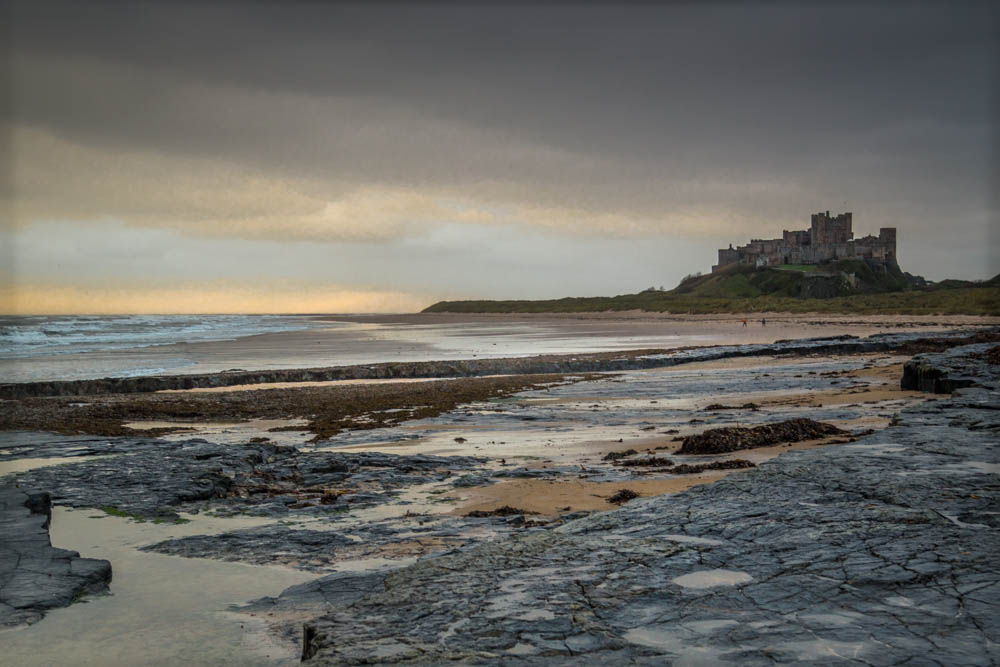
Bamburgh Castle and shoreline
Standing high above the rocky shore, Bamburgh Castle has stood the test of time, its origins stretching back to the 6th Century.
Its location was chosen as the capital for the then powerful Kings of Northumbria and construction dates back to 547AD.
It was subject to attacks from rival Kings from within the country and equally was a regular target for the Norse invaders.
During the Wars of the Roses, it was a base for King Henry VI.
In the 17th Century it became privately owned, and to this day it has remained as a private home that is fully inhabited throughout the year by its current owners.





Craster and Dunstanburgh Castle
Craster is a fishing village with a small harbour, and is perhaps most famous for its smokehouse producing the renowned Craster Kipper. To the North of the village, following the shoreline, about a mile away is the castle of Dunstanburgh.
Dunstanburgh Castle
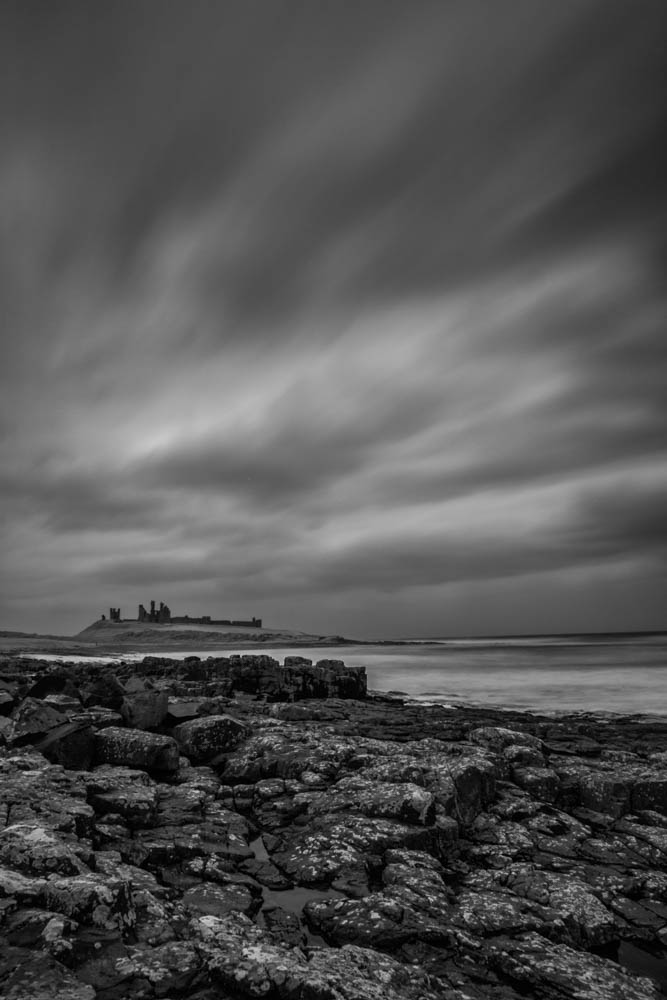
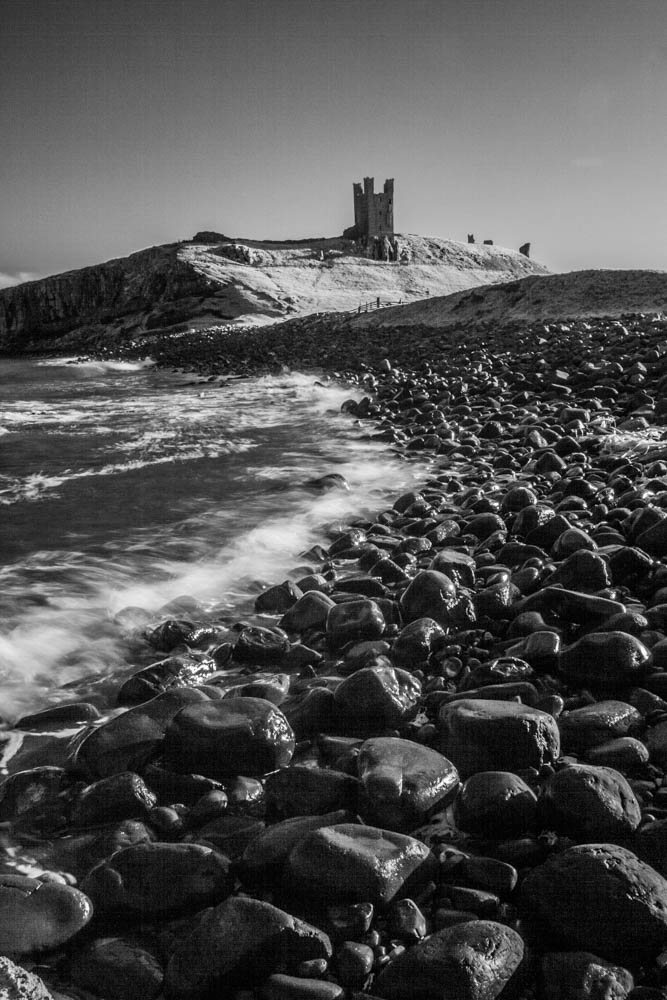
While Bamburgh Castle dates from the 6th Century, the ruined Dunstanburgh only dates from 1313, when Earl Thomas of Lancaster began its construction. Life at the castle was very short lived, and after the Earl's rebellion against the Monarch failed some 9 years later in 1322, he was captured and executed. The castle was taken over by John of Gaunt. It was then besieged during the Wars of the Roses and subsequently fell into decay.
As a relic it still is a popular location for visitors. The walk from Craster village to the North, over a grassy farmland path to the castle is popular with visitors. To the North of the castle, the local golf course is separated from the sea by the black "Boulder Beach".



Between Bamburgh and Dunstanburgh
Heading inland, the wilder coastline gives way to farmland and small villages and hamlets.
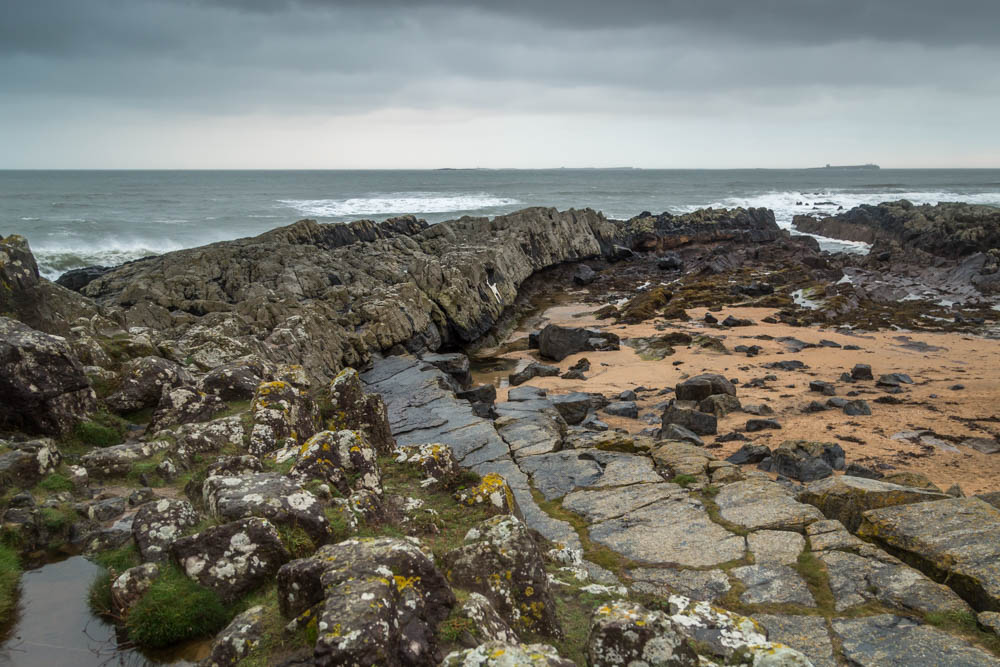
From the coast, at Low Newton by the Sea, as well as providing views towards Dunstanburgh castle to the South, looking out to sea, the Farne islands, home to thousands of seabirds and a colony of grey seals, are evident.


St. Mary's Lighthouse
North of Whitley Bay, separated from the mainland by a short causeway, is St. Mary's Lighthouse.
The Lighthouse was operational from 1898 to 1984.
Since then the building is now operated as a visitor centre, including the opportunity to wind one's way up the 137 steps to the top.
Rockpools evident when the causeway is clear are regularly investigated by families and school groups.


Holy Island
The Holy Island of Lindisfarne, from 635AD was the place chosen by St. Aidan for his monastery.
Near Berwick on Tweed on the Scottish border, while there are less than 200 residents, visitor numbers through the year exceed 500,000.
It is a tidal island, with the causeway open only when the tide is low.
Upturned fishing boats fringe the beach by the harbour. At one time the harbour provided the base for a large herring fleet.


